Project Overview
The Musaia Animal Husbandry and Abattoir Project is a strategic investment initiative aimed at revitalizing and modernizing livestock production in Sierra Leone's Northern Province. This initiative seeks to re-establish Musaia as a livestock hub, ensuring sustainable meat and dairy production, enhancing food security, and reducing reliance on expensive imports. The project involves rehabilitation of existing livestock farming operations, introduction of modern animal husbandry techniques, and establishment of a state-of-the-art abattoir meeting international food safety and hygiene standards. With proximity to the Mongo River, Khifa, and Madogbo streams, the farm benefits from year-round water access. The project includes: modern cattle and goat farming, an abattoir with cold storage and packaging, dairy production and processing, capacity building for farmers, and community livelihood initiatives.
Quick Summary
Strategic investment to revitalize livestock production in Sierra Leone's Northern Province. Re-establish Musaia as a livestock hub through modern animal husbandry and a state-of-the-art abattoir. Reduces 80% meat import dependency while creating jobs and enabling exports.
Target Market
National (Sierra Leone) and Regional (ECOWAS/EU exports)
Sub-Sector
Livestock / Animal Husbandry
Market Analysis
Sierra Leone faces a significant livestock supply gap. National meat demand is 770,166 MT annually, while current local production is only 142,334 MT, meaning over 80% of meat consumed is imported. Per capita meat consumption is only 2 kg/year (global average 50 kg), and milk consumption is 9 liters/year (recommended 300 liters). The national cattle population is 334,000 N'Dama cattle. This project addresses a critical supply deficit with significant growth potential.
Project Details
Project Information
Location Details
Implementing Agency
Government of Sierra Leone / National Investment Board (NIB)
Ideal Investor Profile
Investors or consortia with experience in livestock farming, meat processing, and abattoir operations. Experience in dairy processing and cold chain management is advantageous.
Technical Requirements
Proven expertise in animal husbandry, modern abattoir operations, and food safety compliance (ECOWAS/EU standards).
Local Content Requirements
Engagement with local farmers through training programs; employment creation in livestock management, processing, logistics, and sales; support for women and youth entrepreneurs.
Related Sectors
Financial Information
Revenue Projections
Projected annual revenue of $2M–$3.5M with a gross profit margin of 35%. Revenue streams include livestock sales, meat processing fees, dairy product sales, and by-product utilization. The abattoir will process 50 animals per day.
Investment Incentives & Support
Financial Incentives
Government Support: Land provision, infrastructure, and policy support
Regulatory Framework
Governed by Sierra Leone's agricultural investment regulations. PPP or private concession framework with 15–20 year agreement. National Investment Board (NIB) facilitates investment.
Approval Process
Investors to express interest in acquiring and operating the farm and abattoir under a PPP or concession agreement. Negotiation of concession terms.
Required Licenses & Permits
Agricultural and business licenses through NIB. Food safety and abattoir operating permits required for ECOWAS/EU compliance. Land use permits.
Location Information
Project Location
Country: Sierra Leone
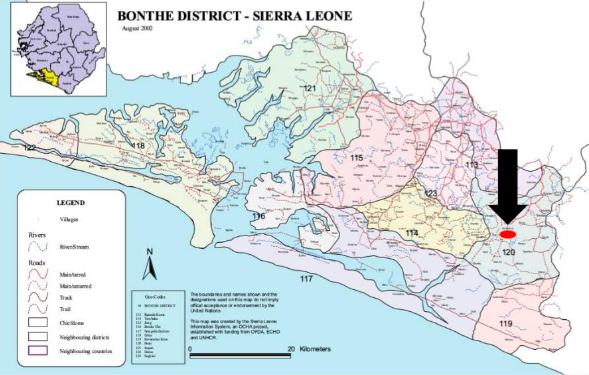
Specific Location: Musaia, Falaba District, Northern Province, Sierra Leone
Location Advantages
- Strategic location in West Africa
- Access to Sierra Leone market
- ECOWAS regional market access
Land Availability
Approximately 500 hectares available. The farm benefits from year-round water access via proximity to Mongo River, Khifa, and Madogbo streams. Government will provide land as part of the PPP/concession agreement.
Risk Assessment & FAQ
Frequently Asked Questions
Investors to express interest in acquiring and operating the farm and abattoir under a PPP or concession agreement. Negotiation of concession terms.
Government Support: Land provision, infrastructure, and policy support
Engagement with local farmers through training programs; employment creation in livestock management, processing, logistics, and sales; support for women and youth entrepreneurs.