Taille des projets
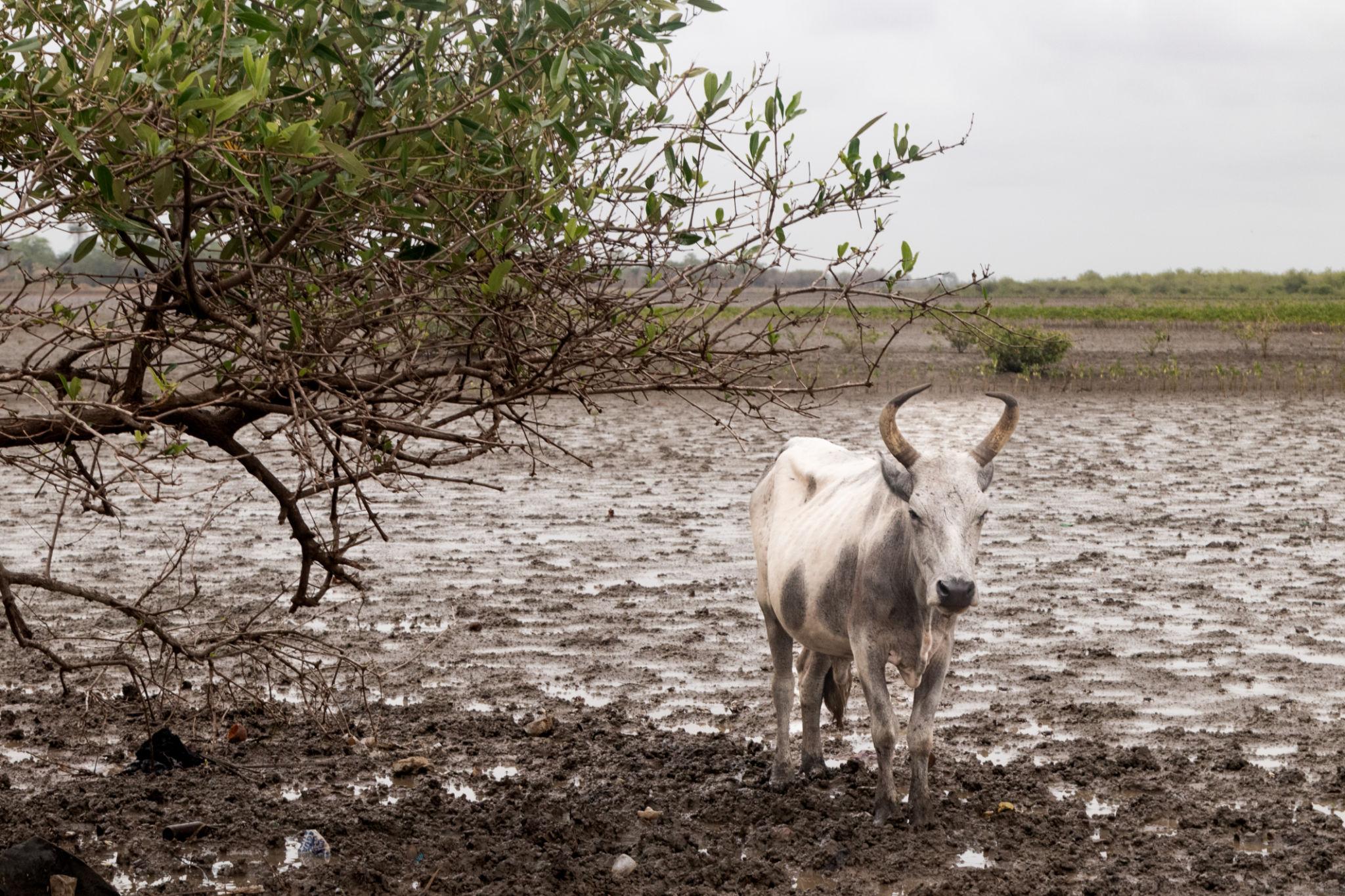
Guinea Bissau has favorable conditions for livestock development due to its vast rural areas and the population's strong agricultural and livestock traditions. However, the sector faces several challenges, including low productivity, lack of vetenary assistance, inadequate animal feeding practices, and limited capacity for product preservation and commercialization.
Résumé rapide
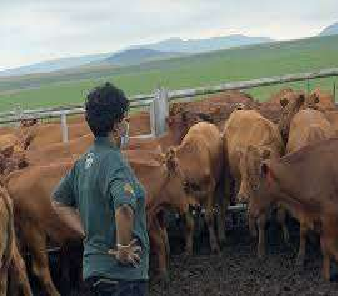
The project aims to strengthen the livestock sector in Guinea Bissau through the modernization of cattle, goat, sheep, and poultry farming, with a focus on the production meat, milk, and dairy products. The iniciative seeks to improve food security, create employment opportunities for young people and women and promote the economic development of rural communities.
Plus grand marché
- Domestics consumers, hotels, restaurants, ECOWAS market, and long term international export opportunities for processed livestock products.
Secteur *
Livestock
Rapport d'analyse de marché
Guinea Bissau has strong potential for livestock development due to increasing demand for meat, milk, and paultry products, combined with heavy reliance on imports. The project offers opportunities in local production, processing, and regional export within the ECOWAS market.
Favorable land conditions and growing regional demand create strong long-term growth potential.
Mise en place du projet
Informations sur le projet
Détails de la révocation
Cycle de vie de l'invitation
GBI-Guinea Bissau investment
Contact: 00245 95 582 1838
Mettre à Jour le Profil du Pays
Investors and strategic partners with experience in agribusiness, livestock production, rural development, and food processing, particularly in Africa or emerging markets. Investors should have strong financial capacity, knowledge of sustainable agriculture, and experience supporting large scale agriculture or community based projects.
Revue technique
- modern livestock farming and breeding;
- Veterinary and animal health services;
- Dairy and meat processing;
- Cold storage and supply chain system;
- Farmer training and cooperative development;
- Sustainable and climate smart agricultural practices.
Contenu local
The project will:
- Promote employment opportunities for local communities;
- Strengthen the technical and managerial capacity of the local farmers and cooperatives;
- Encourage the participation of women and youth in the livestock value chain;
-Prioritize local procurement of goods and services whenever possible;
- Support the development of local agribusiness and rural enterprises;
- Facilitate knowledge transfer and long term susteinability.
Objet lié
Innovation numérique et Fintech
Période de récupération
5
Capital minimum requis
$30
Projections de ROI
Main Revenue Sources
1. Sale of Meat Products;
2. Milk and Dairy Production;
3. Poultry and Egg Production;
4. Breeding and Animal Sales;
5. Training and Cooperative Services.
Incitations et soutien à l'investissement
Innovation numérique et Fintech
Potential sources of financial support and investment incentives to investigate include:
- African Development Bank (AfDB): Potential agricultural and livestock development programmes, subject to current programme availability and eligibility requirements.
- International Fund for Agricultural Development (IFAD): Potential financing and technical assistance for smallholder farmers and rural communities.
- Global Agriculture and Food Security Program (GAFSP): Potential funding opportunities for eligible agricultural and food-security projects.
- Islamic Development Bank (IsDB): Potential financing instruments for agricultural development and related infrastructure.
- Guinea-Bissau Investment Promotion Authorities: Information on private investment incentives, investment facilitation and benefits available under national legislation.
Potential forms of support
- Tax and customs incentives, where legally applicable.
- Concessional loans and credit facilities.
- Grants for eligible projects.
- Credit guarantees and risk-sharing mechanisms.
- Technical assistance and capacity-building programmes.
- Public-private partnerships for infrastructure and agro-industrial development.
Important: These are potential sources and forms of support to investigate, not confirmed entitlements. Active programmes, eligibility conditions and applicable tax benefits must be verified with the relevant institutions.
Cadre juridique
3. Regulatory Framework
The project must comply with the applicable legal and regulatory framework governing investment, land use, environmental protection, livestock production and food safety in Guinea-Bissau.
The preliminary legal references identified for verification include:
Legal instrument Relevance to the project
Investment Code — Law No. 3/2011 Investment promotion and potential investment incentives.
Land Law — Law No. 5/98 Land access and land-use rights.
Decree No. 6/2018 Land-related provisions requiring verification of their scope.
Environmental Law No. 1/2011 Environmental protection and compliance.
Environmental Law No. 10/2010 Environmental assessment requirements, subject to verification.
Decree No. 8/2017 Environmental provisions requiring confirmation of applicability.
Additional regulatory areas to investigate include:
- Animal health, veterinary supervision and disease control.
- Livestock movement and animal imports.
- Food safety and sanitary standards.
- Slaughterhouses and meat-processing facilities.
- Dairy production, processing and distribution.
- Environmental management, water use and waste disposal.
- Labour regulations and occupational health and safety.
- Business registration and tax compliance.
Processus de candidature
4. Approval Process
The expected approval process can be organised into six main stages.
1. Business and Investment Registration
Register the company, obtain the relevant tax identification and determine whether formal investment approval or registration is required to access available incentives.
2. Land Identification and Approval
Identify a suitable site, verify its legal status and obtain the necessary land-use rights or authorisations.
3. Environmental Assessment
Determine whether environmental screening, an environmental impact assessment or an environmental licence is required.
4. Technical and Veterinary Approvals
Obtain the applicable approvals for farm design, animal health, biosecurity, animal movement and production activities.
5. Construction and Infrastructure Permits
Secure the required permissions for buildings, water supply, drainage, waste management and associated infrastructure.
6. Inspection and Operational Authorisation
Complete mandatory inspections and obtain the operating approvals required for livestock farming, slaughtering, dairy production or processing, as applicable.
The exact sequence and competent authorities may vary according to the project’s location, scale and activities.
Licences et permis
The following is a preliminary checklist of authorisations to investigate.
Licence or permit Purpose
Business registration and tax identification Establish the legal entity and fulfil tax obligations.
Investment approval or registration Facilitate the investment and access any applicable incentives.
Land-use authorisation Establish the legal right to use the proposed site.
Environmental approval Ensure compliance with applicable environmental requirements.
Veterinary and animal-health authorisation Ensure animal health and biosecurity compliance.
Construction permit Authorise buildings and associated infrastructure.
Water-use authorisation Regulate water abstraction or use where required.
Slaughterhouse approval Authorise slaughtering facilities where applicable.
Food-processing and sanitary approval Regulate meat, milk and dairy processing.
Waste-management authorisation Address manure, wastewater and other waste streams where required.
Import and export permits Regulate the movement of animals, animal products, equipment or feed where applicable.
Potential contact points include the Centre for Business Formalities (CFE), the government entities responsible for agriculture and livestock, the competent environmental authority, land administration and relevant municipal or regional authorities. Their current responsibilities and procedures should be confirmed.
Informations sur la localisation
Description
Country: Guinea-Bissau
Specific Location: Rural zone
Lien optionnel vers la page concernée
- Passerelle stratégique vers l'Afrique de l'Ouest
- Access to Guinea-Bissau market
- Couverture régionale de la CEDEAO
Soutien disponible
6. Land Availability
The regions of Gabú, Bafatá and Oio have been identified as potential areas for further investigation. Their inclusion does not mean that specific plots are currently available or approved for allocation.
Gabú Region
Potential area to assess for cattle, goat and sheep farming, taking into account grazing conditions, water availability, veterinary services and transport links.
Bafatá Region
Potential area for integrated crop and livestock production, animal-feed supply and connections with rural producers and markets.
Oio Region
Potential area to assess for mixed farming, poultry production and livestock-related agro-processing, subject to local conditions.
Land availability assessment
Before selecting a site, the investor should verify:
- Actual land availability and suitability for the intended activities.
- Existing customary, community or other land-use rights.
- The legal procedures for obtaining land-use rights.
- Reliable water access throughout the year.
- Soil conditions, drainage and environmental constraints.
- Access to roads, electricity, veterinary services and markets.
- Compatibility between the proposed activities and the authorised land use.
No specific parcel, landowner, price or confirmed allocation was established in the research recovered.
7. Overall Investment Assessment
The project has the potential to contribute to agricultural diversification, food security, import substitution, job creation and rural development in Guinea-Bissau.
Its investment case could be strengthened by integrating livestock production with animal-feed supply, veterinary services, cold storage, slaughtering facilities and meat or dairy processing.
The main issues requiring further assessment are:
- Availability of suitable land.
- Access to finance and investment incentives.
- Animal-health infrastructure and veterinary services.
- Feed availability and production costs.
- Environmental and regulatory compliance.
- Market demand and distribution channels.
- Infrastructure, logistics and cold-chain capacity.
Évaluation des risques
Atténuation des risques
Facteurs de risque
- Animal disease outbreaks;
- Climate and environmental challenges;
- Weak infrastructure and logistics;
- Market price fluctuations;
- Limited technical skills among farmers;
- Financing and regulatory risks.
Message d'invitation
- Vetinary services and vaccination programs;
- Climate-smart farming and feed management;
- Investment in storage and processing infrastructure;
- Continuos farmer training and technical support;
- Diversified revenue streams and regional partnerships;
- Strong governance and sustainable operational practices
Foire aux questions
4. Approval Process
The expected approval process can be organised into six main stages.
1. Business and Investment Registration
Register the company, obtain the relevant tax identification and determine whether formal investment approval or registration is required to access available incentives.
2. Land Identification and Approval
Identify a suitable site, verify its legal status and obtain the necessary land-use rights or authorisations.
3. Environmental Assessment
Determine whether environmental screening, an environmental impact assessment or an environmental licence is required.
4. Technical and Veterinary Approvals
Obtain the applicable approvals for farm design, animal health, biosecurity, animal movement and production activities.
5. Construction and Infrastructure Permits
Secure the required permissions for buildings, water supply, drainage, waste management and associated infrastructure.
6. Inspection and Operational Authorisation
Complete mandatory inspections and obtain the operating approvals required for livestock farming, slaughtering, dairy production or processing, as applicable.
The exact sequence and competent authorities may vary according to the project’s location, scale and activities.
Potential sources of financial support and investment incentives to investigate include:
- African Development Bank (AfDB): Potential agricultural and livestock development programmes, subject to current programme availability and eligibility requirements.
- International Fund for Agricultural Development (IFAD): Potential financing and technical assistance for smallholder farmers and rural communities.
- Global Agriculture and Food Security Program (GAFSP): Potential funding opportunities for eligible agricultural and food-security projects.
- Islamic Development Bank (IsDB): Potential financing instruments for agricultural development and related infrastructure.
- Guinea-Bissau Investment Promotion Authorities: Information on private investment incentives, investment facilitation and benefits available under national legislation.
Potential forms of support
- Tax and customs incentives, where legally applicable.
- Concessional loans and credit facilities.
- Grants for eligible projects.
- Credit guarantees and risk-sharing mechanisms.
- Technical assistance and capacity-building programmes.
- Public-private partnerships for infrastructure and agro-industrial development.
Important: These are potential sources and forms of support to investigate, not confirmed entitlements. Active programmes, eligibility conditions and applicable tax benefits must be verified with the relevant institutions.
The project will:
- Promote employment opportunities for local communities;
- Strengthen the technical and managerial capacity of the local farmers and cooperatives;
- Encourage the participation of women and youth in the livestock value chain;
-Prioritize local procurement of goods and services whenever possible;
- Support the development of local agribusiness and rural enterprises;
- Facilitate knowledge transfer and long term susteinability.